If you want quick access to big views, trailheads, and one of Western Colorado’s most recognizable landscapes, Redlands stands out for a reason. You are not just choosing a house here. You are choosing a daily rhythm shaped by open space, scenic roads, and a neighborhood setting that feels more residential than commercial. This guide walks you through what living near Colorado National Monument from Redlands can actually look like, from park access to trail connections to everyday tradeoffs. Let’s dive in.
Why Redlands Feels Different
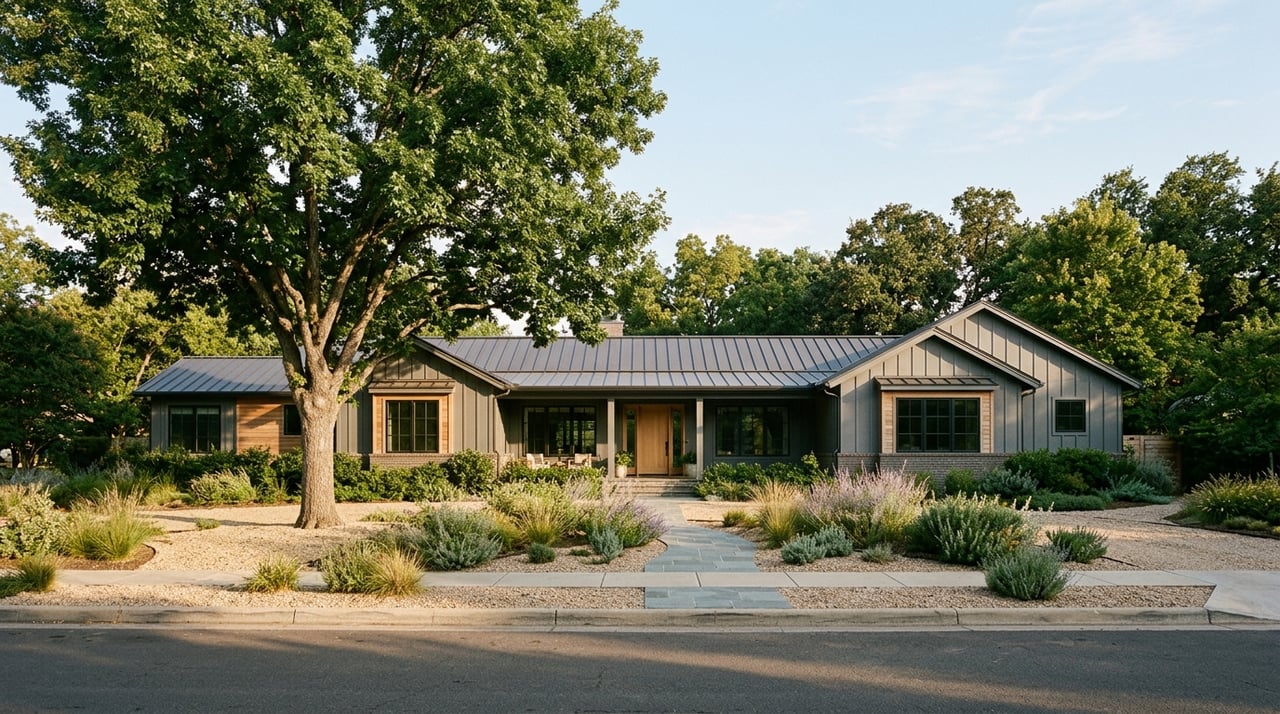
Redlands sits south and west of the Colorado River, with Colorado National Monument forming its southern edge and the Gunnison River on the east. Mesa County planning materials describe the area as having varied topography, scenic vistas, and an open, somewhat rural feel.
That matters when you are comparing neighborhoods. Redlands tends to read more like a scenic edge community than a busy retail corridor. The landscape, views, and access to open space shape the day-to-day feel in a way that is hard to miss.
Colorado National Monument Access From Redlands
For many buyers, the biggest draw is simple: the monument is part of regular life here, not just an occasional weekend outing. Colorado National Monument is open 24 hours a day, seven days a week, and no timed-entry reservation is required.
You do need an entrance pass. Current National Park Service fee guidance lists $25 for a private vehicle, $15 for a walk-in or bike-in visitor age 16 and older, and $45 for an annual park pass.
For Redlands residents, the East Entrance near Grand Junction is usually the most relevant access point. Devils Kitchen Picnic Area sits just inside that entrance and serves as a key access area for No Thoroughfare Canyon, Devils Kitchen, Old Gordon, and Echo Canyon.
That setup makes the monument feel easy to use in small doses. You can head out for a short hike, a picnic, or a scenic drive without needing to plan a full-day trip.
Rim Rock Drive as a Local Perk
Rim Rock Drive is the monument’s signature route, and it is one of the biggest lifestyle perks of living nearby. The National Park Service describes it as a 23-mile scenic drive with an average travel time of about 45 minutes to an hour without stops.
If you enjoy having a quick reset close to home, that matters. A sunset drive, a weekend bike ride, or a visitor-friendly outing can feel much more accessible when one of the area’s best scenic routes is practically next door.
There is one practical note to keep in mind. Rim Rock Drive can close temporarily for rock slides, snow, or other events, so access can depend on weather and conditions.
Trails Beyond the Monument Gate
Living in Redlands is not only about access to the monument itself. The wider trail and open-space network also plays a big role in how the area lives.
Mesa County planning documents note that Redlands has many trailheads for hiking and biking routes. The area plan also calls for open-space corridors that support recreation, transportation, and environmental goals, which helps explain why outdoor access feels built into the neighborhood pattern.
One of the most important local connections is the Monument Trail corridor. City of Grand Junction materials say the completed Monument Trail connection forms the backbone of the Redlands Loop, linking Monument Road, South Camp, Connected Lakes, and Audubon trails.
That means your options are not limited to driving into the monument. Depending on where you live in Redlands, you may have easier access to a broader system of trails and routes that support regular walking, biking, and outdoor time.
Connected Lakes Adds Variety
If you want more than hiking and scenic drives, the Connected Lakes section of James M. Robb Colorado River State Park adds another layer to Redlands living. Colorado Parks and Wildlife says this area offers nearly four miles of trails, ADA fishing piers, restrooms, biking and hiking access, paddle sports, picnicking, and a boat ramp to the Colorado River.
This is a helpful detail for buyers trying to picture everyday recreation. Some neighborhoods are close to one type of outdoor amenity. Redlands benefits from being tied into a mix of trail, river, and open-space access.
That variety can make it easier to use the outdoors more often. A quick walk, a bike ride, or time on the water can fit into normal routines, not just long weekends.
What Daily Life in Redlands Looks Like
Redlands is not designed to function like a dense shopping district. Mesa County’s land-use direction favors small-scale neighborhood commercial centers that fit surrounding residential areas and emphasizes protecting stable neighborhoods from incompatible development.
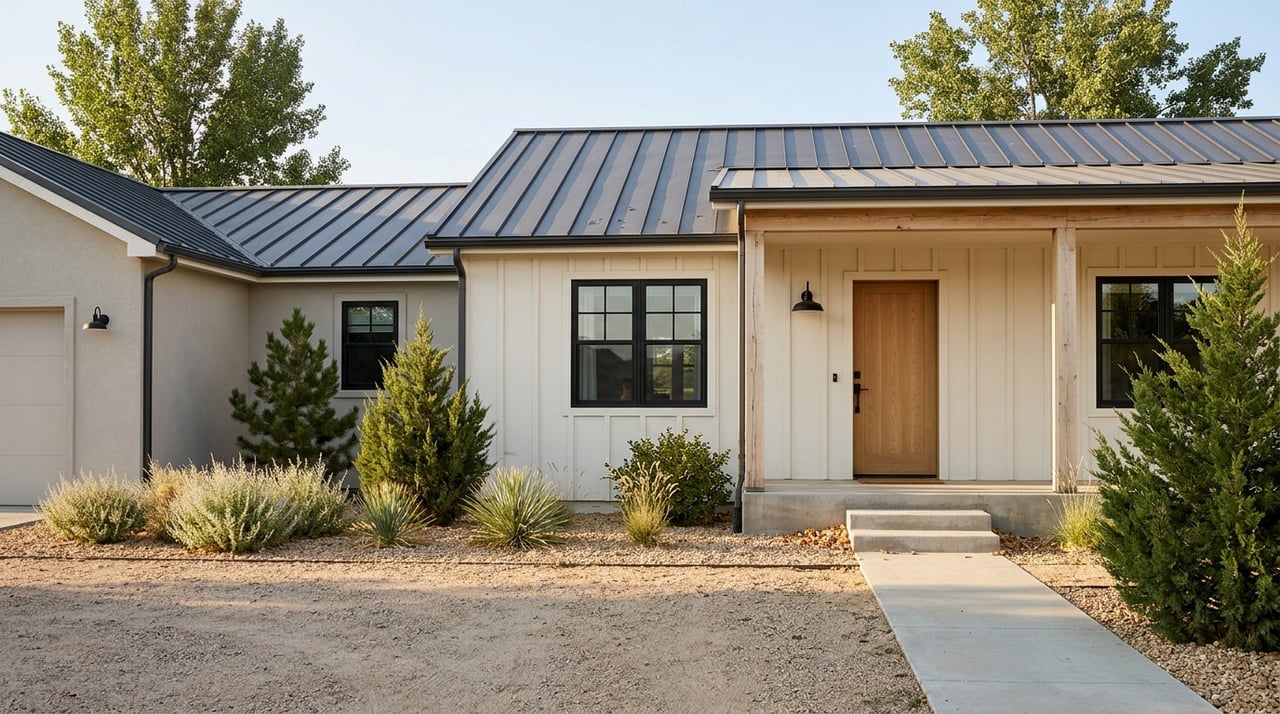
In practical terms, that means Redlands tends to feel more residential and landscape-oriented than retail-heavy. If you are looking for park-adjacent living with local conveniences, that is a better way to think about the area than expecting a commercial corridor feel.
For many buyers, that balance is the point. You get a neighborhood that functions for day-to-day life while still feeling closely tied to scenery and recreation.
Schools and Neighborhood Function
If you are evaluating Redlands as a full-time neighborhood, it helps to know that it is more than a recreation backdrop. Current school anchors in the area include Redlands Middle School at 2200 Broadway and Wingate Elementary at 351 South Camp Road.
Those locations are useful because they show how Redlands operates as an established day-to-day community. When you combine schools, neighborhood-scale services, and outdoor access, the area can appeal to buyers who want both function and lifestyle.
As always, your best fit depends on your own routine, commute, and priorities. A scenic setting is great, but it works best when the practical side of daily life lines up too.
Tradeoffs to Think Through
Every location has tradeoffs, and Redlands is no exception. One practical consideration is that attractive access points can also bring visitor traffic, especially near entrances, picnic areas, and trailheads on good-weather days.
That does not mean every part of Redlands feels busy. It does mean location within the area matters, especially if you want to be close to the monument while also paying attention to traffic patterns and activity near key recreation nodes.
This is where local guidance can help. In a place like Redlands, value is not just about square footage. It is also about how a specific property connects to views, roads, trail access, and your everyday routine.
Who Redlands Often Appeals To
Redlands can make sense for a range of buyers, but it tends to be especially appealing if you want your home base to feel tied to the outdoors. You may be drawn to the area if you value:
- Close access to Colorado National Monument
- Scenic views and varied topography
- Hiking and biking connections beyond a single trailhead
- A more residential setting with local-scale conveniences
- A neighborhood feel that supports everyday life, not just recreation
The right property still depends on your goals. Some buyers want easy trail access, while others care more about lot feel, views, or how a home sits within the neighborhood.
What to Consider When Buying in Redlands
If you are seriously considering Redlands, it helps to look beyond the headline appeal and think through how you will use the area in real life. A few questions can help narrow your search:
- How important is quick access to the East Entrance?
- Do you want to be closer to trail connections, river recreation, or both?
- Are views and topography part of your must-have list?
- How much visitor activity near trailheads feels comfortable to you?
- Do you prefer a quieter residential pocket or easier access to neighborhood conveniences?
These questions matter because Redlands is not one-note. Even within the same planning area, the feel can shift based on roads, access points, and how close you are to recreation corridors.
If you are weighing a move in Redlands or anywhere across the Grand Valley, working with someone who understands how place affects value can save you time and help you make a more confident decision. When you are ready to talk through neighborhoods, access, and what fits your goals, reach out to Laura Black.
FAQs
What is it like living near Colorado National Monument in Redlands?
- Living in Redlands often means easy access to scenic views, trailheads, and the East Entrance to Colorado National Monument, along with a more open and residential feel than a retail-focused area.
How do Redlands residents access Colorado National Monument?
- Many Redlands residents use the East Entrance near Grand Junction, with Devils Kitchen Picnic Area serving as a nearby access point for several trails and picnic use.
Is Colorado National Monument open every day for Redlands visitors?
- Yes. The monument is open 24 hours a day, seven days a week, though visitors need an entrance pass and road conditions can affect access.
What outdoor activities are available near Redlands besides the monument?
- Redlands also connects to hiking and biking routes, the Monument Trail corridor, and the Connected Lakes section of James M. Robb Colorado River State Park for trails, paddle sports, fishing, and river access.
Does Redlands feel more residential or commercial?
- Redlands generally feels more residential and landscape-oriented, with planning focused on neighborhood-scale commercial areas that stay compatible with surrounding homes.
What should homebuyers consider about location within Redlands?
- Buyers should think about proximity to monument access, trailheads, views, traffic near recreation areas, and how a specific property fits their daily routine.