If you want easy access to trails, big views, and a little more elbow room, Redlands often ends up on your shortlist. It appeals to buyers who want an established part of the Grand Valley that feels residential and outdoors-focused, while still staying connected to Grand Junction and Fruita. If you are wondering what daily life really looks like here, this guide will walk you through the setting, housing patterns, amenities, and tradeoffs. Let’s dive in.
Redlands at a glance
Redlands is a central Mesa County community between Fruita and Grand Junction. Mesa County describes it as about 13.4 square miles with roughly 9,000 residents, so it is not a tiny pocket but it also does not function like a stand-alone city center.
The area has long been tied to the broader Grand Valley growth pattern. Planning records show Redlands as part of the larger area south and west of the Colorado River, shaped by corridors like Highway 340, Monument Road, and the edges of Colorado National Monument and the Gunnison River.
That geography matters when you picture day-to-day life. Redlands tends to feel spread out, scenic, and residential, with homes, roads, trails, and open views shaping the experience more than a concentrated downtown.
Outdoor living shapes daily life
The biggest draw for many people is how close Redlands sits to outdoor recreation. Colorado National Monument is accessed from Grand Junction via Monument Road, and the surrounding landscape gives the area a strong connection to hiking, biking, running, and scenic drives.
The climate around the monument is semi-desert and upland, with about 11 inches of annual precipitation and hot summer conditions on the valley floor. In practical terms, that usually means a lot of sunny, dry days and a lifestyle that naturally leans outdoors.
Trails and river access are part of the local rhythm. City information notes that the Riverfront Trail runs from 25 Road to Redlands Parkway and up into the Redlands, while the Redlands Parkway Boat Ramp adds another access point for people who want to spend time on the water.
The Lunch Loops, Tabeguache, and Monument Trail system also play a major role in the area’s identity. The city describes this as a multi-use network used by walkers, runners, bikers, families, and commuters, with views toward Colorado National Monument, Grand Mesa, and the Bookcliffs.
What the pace of life feels like
Redlands generally feels more like a place where you launch your day than a place where everything happens within a few blocks. You may start the morning on a trail, head into Grand Junction for work or errands, and come home to quieter residential streets and wider views.
That rhythm is part of the appeal. Many people like Redlands because it offers outdoor convenience and a more established neighborhood feel without feeling cut off from the rest of the Grand Valley.
It is also worth noting that Colorado National Monument does not have public transportation service. Grand Valley Transit serves the broader Grand Valley, but Redlands remains largely car-oriented in daily use.
Homes in Redlands
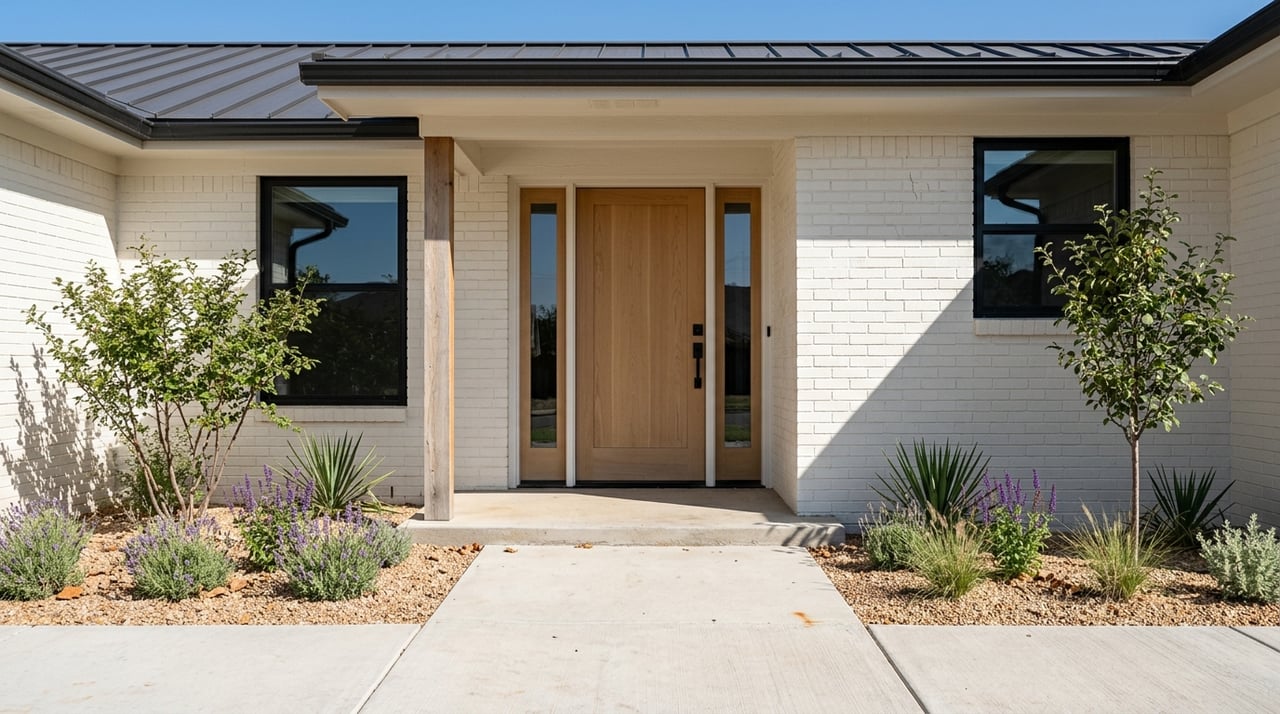
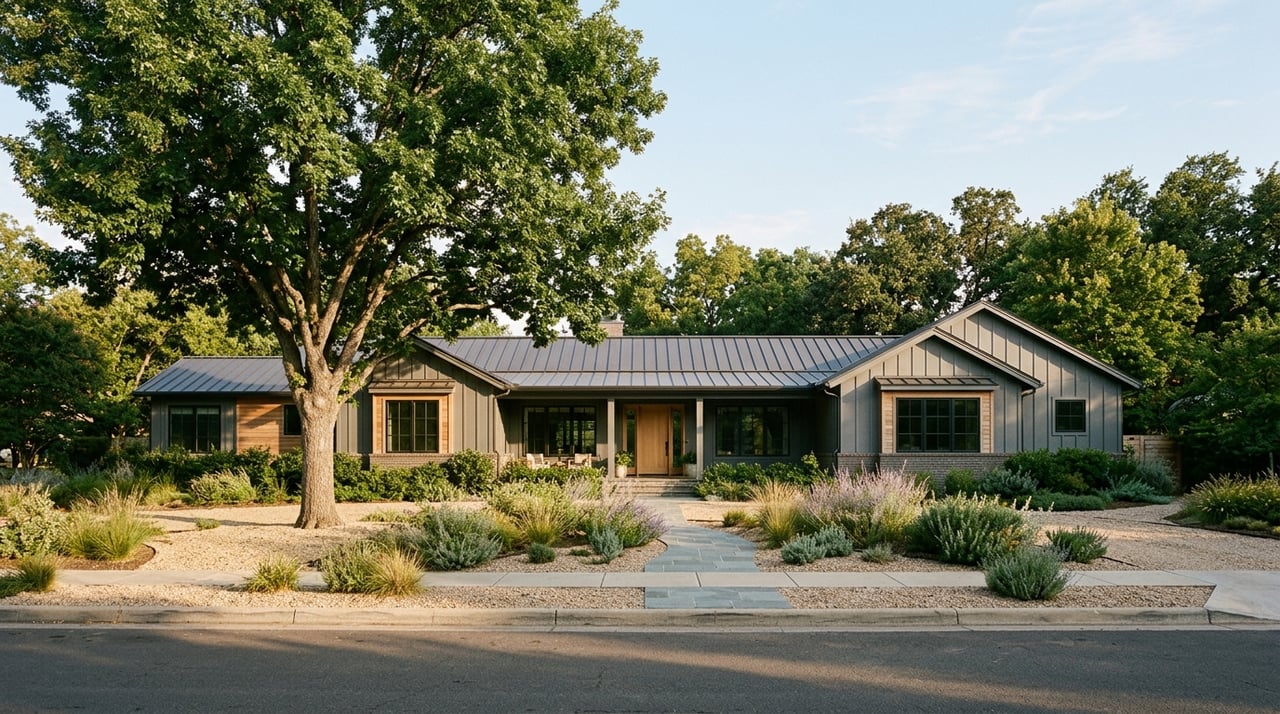
Housing in Redlands has historically been varied, though detached single-family homes have been the dominant type. County planning documents describe a mix that also includes condos, duplexes, triplexes, multifamily units, and townhomes.
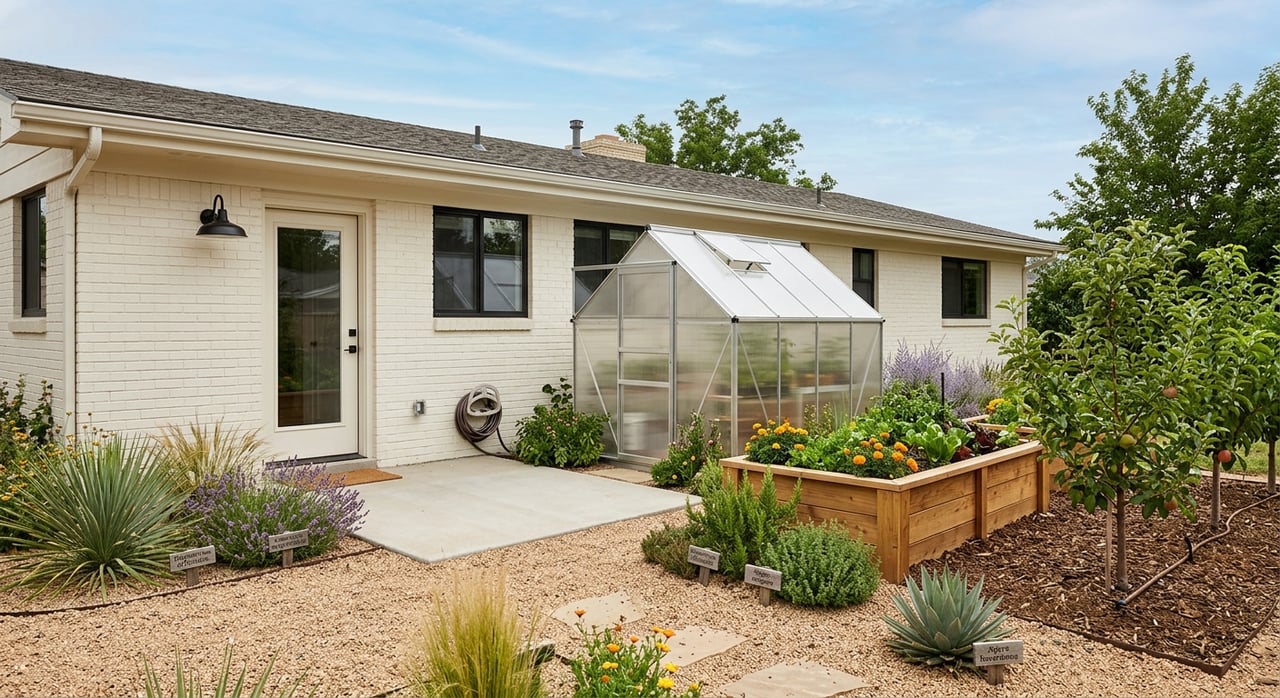
That variety can be helpful if you are looking for something beyond a standard subdivision layout. Depending on the section of Redlands, you may see established streets with traditional homes, view-oriented properties influenced by the terrain, and some larger-lot opportunities.
Older planning records also give a useful sense of land use. In that snapshot, residential uses made up about 46% of the planning area, with agriculture at about 13% and public, quasi-public, and conservation lands at about 28%.
Lot sizes and land feel
One of the more noticeable differences in Redlands is the lot pattern. Historical planning records show residentially improved parcels averaging about 1.4 acres, while vacant parcels averaged about 9.7 acres.
That does not mean every home sits on acreage, but it does help explain why parts of Redlands can feel roomier than many suburban neighborhoods. If you are comparing Redlands to tighter in-town tracts, the spacing and topography may stand out right away.
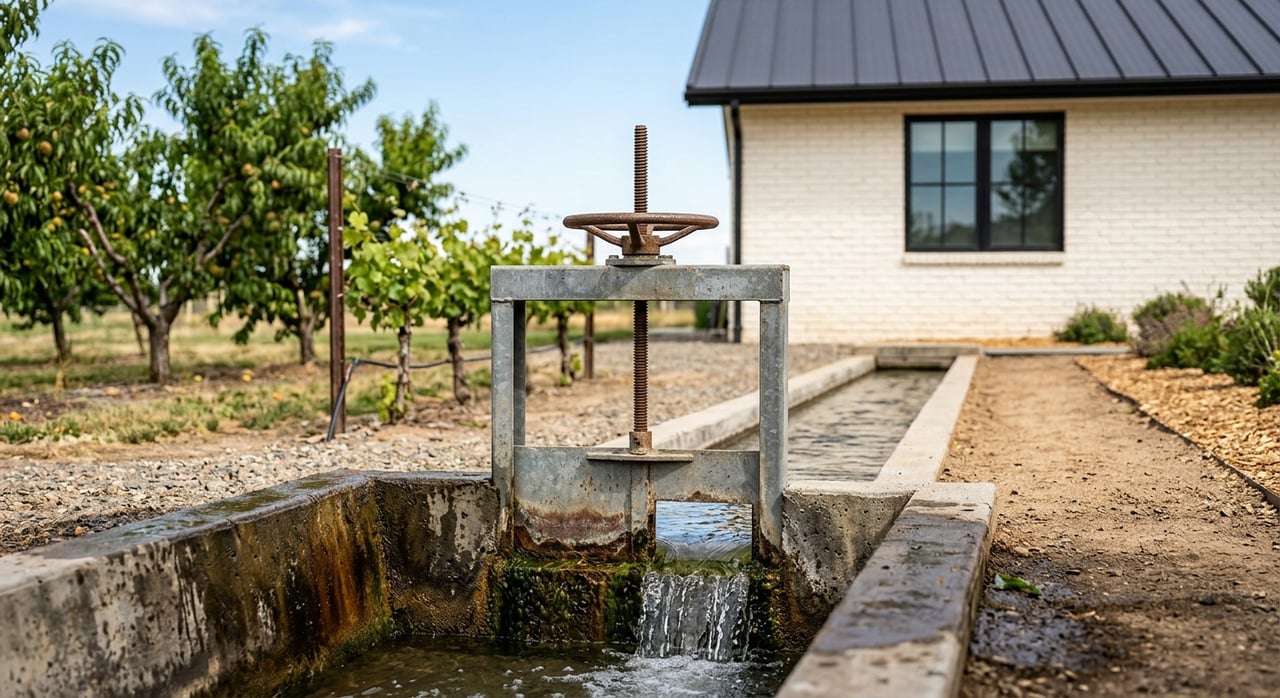
For some properties, irrigation is also part of the conversation. County planning records note that Redlands Water and Power Company supplied irrigation water to agricultural and residential properties, which can matter when you think about landscaping, yard maintenance, or land use.
This is one reason I always tell buyers to look beyond the house itself. In areas like Redlands, details like lot layout, slope, access, and irrigation can shape how a property functions long after closing day.
Views and terrain matter here
Topography is not just background in Redlands. Planning records point to ridgeline setbacks and identify Monument Road as an important visual corridor and gateway to Colorado National Monument.
That means the area often feels shaped by the land itself. Some homes are tucked into established residential streets, while others are positioned to take advantage of views, elevation changes, and the natural contours of the landscape.
For you as a buyer, this can be a plus if you want a property with a stronger sense of place. It also means each pocket of Redlands can feel a little different in terms of access, lot usability, and how the home sits on the site.
Amenities and everyday convenience
Redlands has long been described as more of a bedroom community than a major job center. In simple terms, you are choosing a residential area with neighborhood services rather than a dense commercial district.
Retail has historically been concentrated along Highway 340, with planning documents identifying commercial nodes like Redlands Marketplace and Monument Village. That setup supports daily errands, but many residents still rely on the broader Grand Junction and Fruita corridor for work, shopping, dining, and services.
Golf is also part of the local amenity mix. County planning documents list Tiara Rado and Redlands Mesa as the area’s two golf courses, and the City of Grand Junction still identifies Tiara Rado Golf Course as being on the Redlands.
Schools in and around Redlands
Schools are part of the local fabric, and Mesa County Valley School District 51 includes Redlands Middle School on its current schools list. Families looking at the area will also find nearby elementary and high school options elsewhere in the district.
As with any home search, school assignment and access can vary by address. If schools are a key part of your move, it is smart to confirm the current district information for any property you are considering.
What to know about traffic and growth
Like many popular Grand Valley areas, Redlands comes with tradeoffs. The biggest one is that it remains corridor-based and car-oriented, rather than built around a walk-everywhere urban grid.
Current city work shows that major routes and trail connections are still evolving. In 2026, the city began rebuilding a short section of the Redlands Parkway trail and continued coordinating the Broadway and 23 Road roundabout and 23 Road reconstruction as part of Redlands 360.
For residents, that can mean an area that is actively improving, but also one where construction and traffic can affect some of the most-used corridors. If you are house hunting here, it is worth paying attention to how a specific property connects to your daily routes.
Growth is another factor to keep in mind. The Redlands 360 project is anticipated to add more than 1,300 homes at full buildout, so some sections of the area may continue to change over time.
Who Redlands tends to fit best
Redlands often works well for buyers who want scenic access, established neighborhoods, and more outdoor convenience than urban intensity. If you picture yourself spending weekends on trails, enjoying wider views, and living in a part of town where the landscape is a big part of the experience, Redlands may feel like a natural fit.
It can be especially appealing if you want a residential setting that still connects easily to Grand Junction and Fruita. You are not choosing dense, walkable city living here. You are choosing a view-rich Grand Valley neighborhood where homes, land, roads, and recreation all play a big role in daily life.
Bottom line on living in Redlands
So, what is it like to live in Redlands, Colorado? In most cases, it means sunny days, quick access to recreation, roomier residential patterns, and a setting where topography and views are part of everyday life.
It also means thinking practically about commute routes, property layout, irrigation, and how future growth may affect the area. That kind of place-specific detail matters, especially in the Grand Valley, where value is often shaped by more than square footage alone.
If you are considering a move to Redlands and want help comparing neighborhoods, lot types, or properties with land-related factors, Laura Black can help you sort through the options with straightforward local guidance.
FAQs
What is the overall feel of living in Redlands, Colorado?
- Redlands generally feels like an established, spread-out residential area with strong access to trails, views, and the broader Grand Valley, rather than a dense town center.
What types of homes are common in Redlands, Colorado?
- Detached single-family homes have historically been the dominant housing type, though the area also includes condos, duplexes, triplexes, multifamily units, and townhomes.
Are lot sizes larger in Redlands, Colorado?
- Historical planning records suggest many parts of Redlands have a roomier lot pattern than typical suburban tracts, with residentially improved parcels averaging about 1.4 acres in the planning snapshot.
What outdoor activities are near Redlands, Colorado?
- Residents have access to Colorado National Monument, the Riverfront Trail, the Redlands Parkway Boat Ramp, and the Lunch Loops, Tabeguache, and Monument trail systems for walking, running, biking, and river access.
Is Redlands, Colorado walkable for daily errands?
- Redlands is generally more car-oriented than walk-everywhere, with many errands, shopping trips, and work commutes extending into the larger Grand Junction and Fruita corridor.
Are there schools in the Redlands area of Mesa County?
- Mesa County Valley School District 51 includes Redlands Middle School on its current schools list, with other elementary and high school options available elsewhere in the district.
Is Redlands, Colorado still growing?
- Yes. City projects and the anticipated full buildout of Redlands 360 indicate ongoing infrastructure work and future housing growth in the area.