Buying acreage on East Orchard Mesa can look simple at first glance. You see open ground, views, and room to build your plans around. But in 81526, the real story is often in the water, access, zoning, and long-term land-use rules, not just the asking price. If you want to avoid expensive surprises, this checklist will help you focus on the issues that matter most before you buy. Let’s dive in.
Why East Orchard Mesa Needs Extra Due Diligence
East Orchard Mesa is not a typical suburban acreage market. Mesa County’s master plan identifies the East Orchard Mesa EOM 10 area as a place intended to preserve fruit and vineyard production.
That matters because the area generally has a 10-acre minimum lot size, discouraged rural residential subdivision, and limited public infrastructure such as fire flow and high-capacity roads. In other words, you want to confirm what the land can actually support before you get attached to a property.
Start With Land-Use Rights
Before you compare price per acre, verify the parcel’s current zoning, future land-use designation, subdivision status, and any overlays or easements. Mesa County’s GIS tools and Assessor resources are built to show parcel-level details including zoning, boundaries, service providers, transportation, and environmental layers.
Acreage alone does not tell you what you can do with a property. Mesa County requires new development to meet zone district standards and master plan policies, and East Orchard Mesa is planned with an agricultural-first framework.
Confirm Your Intended Use
If you want livestock, a shop, an accessory dwelling unit, or another nonstandard use, confirm that use early. Do not assume the parcel supports your plans just because it has enough land.
This is especially important in East Orchard Mesa, where the planning framework is centered on fruit and vineyard production rather than speculative rural subdivision. A good due diligence file should answer the use question before you write an offer, not after.
Understand Agricultural Classification
Agricultural classification is not just a label in a listing. Mesa County explains that agricultural classification depends on statutory use tests and supporting documentation, including evidence of farming or ranching activity and sometimes water-right or groundwater-permit support.
If a property is represented as agricultural, ask what documentation supports that status. This helps you understand both present use and any practical obligations tied to the land.
Verify Irrigation Water First
On East Orchard Mesa, irrigation is often one of the biggest value drivers. You should confirm whether the parcel is within the Orchard Mesa Irrigation District and how water is delivered to the property.
OMID states that its canals deliver irrigation water to East Orchard Mesa. That makes district confirmation one of the first calls worth making when you are evaluating acreage here.
Ask Who Owns the Water
Water questions should be very specific. Ask whether the water right runs with the land and whether any rights are transferable.
OMID says water rights are allocated to the land and cannot be sold separately. It also states that water-service records can be viewed using county assessor information and district records, which can help you verify what is actually tied to the parcel.
Know Where OMID Responsibility Ends
Do not stop at confirming district service. You also need to know who maintains the system once water reaches the property.
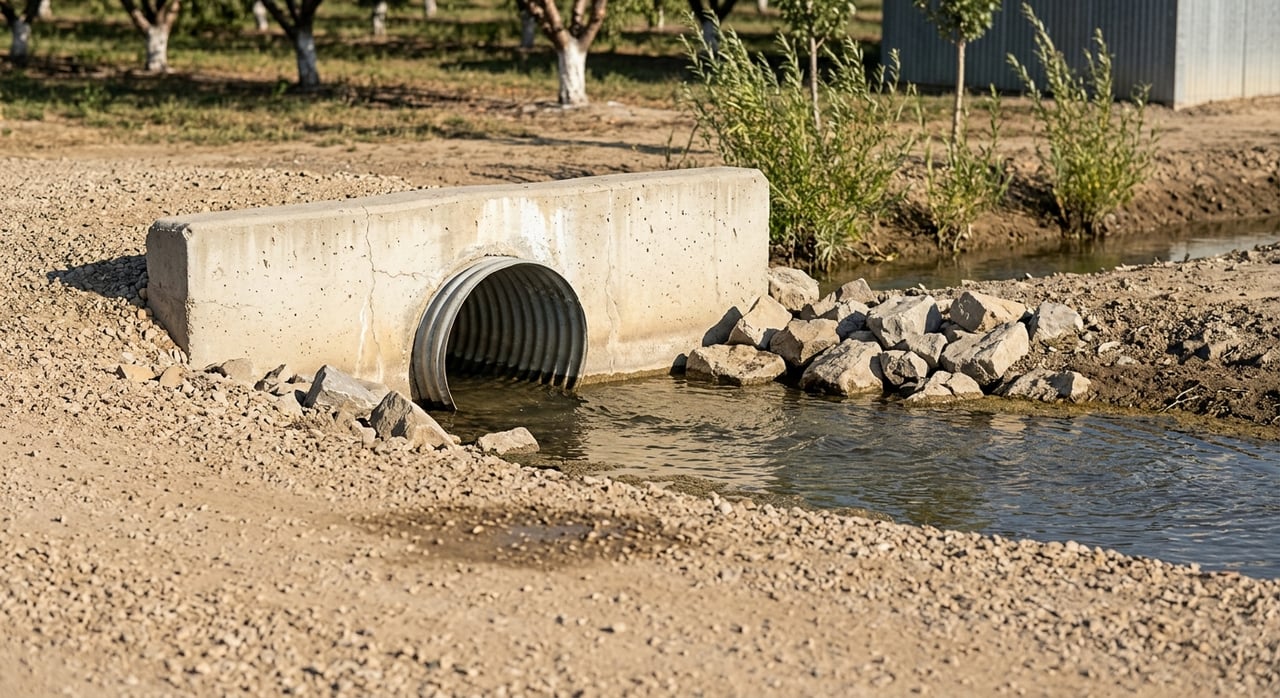
OMID says it operates pumping facilities, delivery canals, and headgates, while ditches, laterals, and pipelines beyond the headgates are the water user’s responsibility. That means future maintenance costs may fall on you, not the district.
Review Assessments and Billing
Irrigation costs should be part of your ownership budget from day one. Ask how the parcel is assessed and how those charges are collected.
OMID says assessments are collected by the Mesa County Treasurer with property taxes. That makes it easier to review current billing history during your due diligence period.
Separate Irrigation From Domestic Water
A common mistake is treating all water service like one issue. On East Orchard Mesa, irrigation water and domestic water are usually separate questions.
Ute Water states that the Grand Valley has four domestic water providers: Town of Palisade, Clifton Water District, City of Grand Junction, and Ute Water. It also notes that most residents use dual water systems, so you should confirm both the household water source and the irrigation setup.
If the Property Has a Well
If the property uses a well instead of a domestic district tap, verify the well permit before closing. The Colorado Division of Water Resources maintains permit information for new, replacement, and existing wells.
You will want to confirm the permit status and the permitted use of the well. That is especially important if you are assuming the well can support a use that may not actually be allowed.
Check Access Before Closing
Access can be a major issue on acreage. Review recorded access, easements, and right-of-way information with Mesa County’s Surveyor records.
The county’s survey tools include survey plats, right-of-way records, and monument information. This can help you confirm whether access is legal, practical, and clearly documented.
Look at Real-World Driveway Use
Do not just ask whether a driveway exists. Ask whether the road and driveway can handle how you plan to use the property.
Mesa County requires driveway permits for new connections to county right-of-way. Its access policy also focuses on drainage, sight lines, turning geometry, and fire department access, all of which matter if you expect to use trailers, farm equipment, or larger service vehicles.
Confirm Septic Feasibility Early
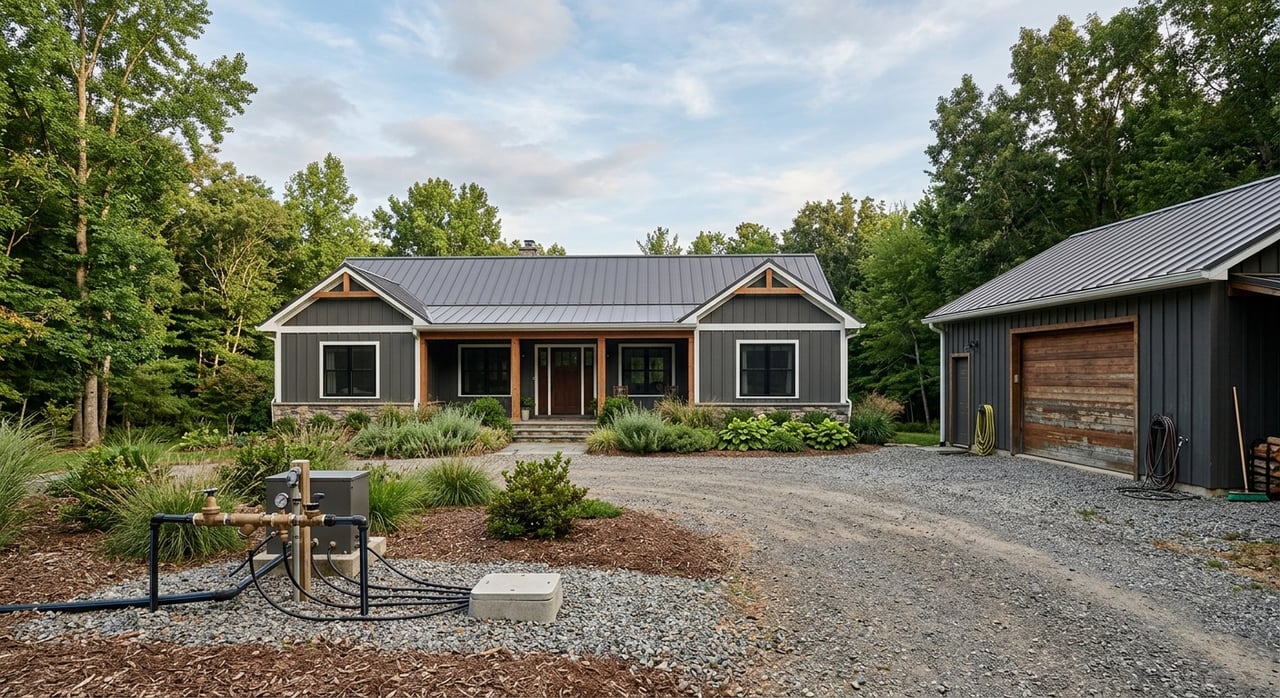
If sewer is not available, septic needs to move up your checklist. Mesa County’s OWTS department handles septic permits and clearances and reviews land-use applications where an onsite system is proposed.
That means you should not wait until late in the contract to start asking septic questions. Early confirmation can help you avoid problems with placement, permitting, or intended improvements.
Review Floodplain Status
Floodplain review is another step that should happen early. Mesa County states that development in a FEMA regulatory floodplain must follow county standards.
This can apply not only to homes and major structures, but also to work such as grading, fill, or even some accessory improvements. If a parcel is in or near a regulated area, you need to understand those limits before making plans.
Treat Wildfire as a Site Issue
Wildfire should be part of your property evaluation, not a separate conversation for later. Mesa County identifies wildfire as a significant hazard and recommends 100 feet of defensible space.
You should also remember that East Orchard Mesa has limited public infrastructure, including fire flow and high-capacity roads. For rural acreage, emergency access, site layout, and ongoing vegetation management all affect day-to-day ownership.
Confirm Local Emergency Response
It is smart to identify the local response contact during due diligence. Mesa County EMS lists the East Orchard Mesa Volunteer Fire Department as the local response contact for this area.
That makes driveway access and visible addressing worth checking closely. What works for a casual showing may not be enough for emergency access in real life.
Budget for Ongoing Maintenance
Acreage ownership on East Orchard Mesa usually comes with more hands-on upkeep than many buyers expect. Beyond normal home maintenance, you may also need to plan for irrigation-system repairs, ditch or lateral cleanup, fencing, gates, driveway upkeep, and drainage management.
OMID states that owners are responsible for delivery systems beyond the headgates, and Mesa County’s access policy says owners maintain drainage improvements at their own expense. Those are not small details. They are recurring ownership realities.
Plan for Weed and Pest Management
If the property includes orchard, vineyard, or agriculture-adjacent ground, weed and pest management should be part of your budget and your calendar. Mesa County’s Upper Grand Valley Pest Control District covers the fruit-growing east end of the Grand Valley.
County staff identify and manage pests, diseases, fruit-tree issues, and noxious weeds. Even if you are buying for lifestyle reasons, this is still part of responsible land ownership in the area.
Build a Practical Pre-Offer File
One of the best ways to protect yourself is to gather the right documents before you make a strong offer. Mesa County’s public tools are designed to surface many of the key parcel-level details you need.
A practical pre-offer file for East Orchard Mesa acreage should include:
- Parcel and zoning confirmation
- Future land-use designation review
- Irrigation district confirmation
- Water-service and assessment details
- Access and easement records
- Septic or sewer records
- Floodplain status
- Well-permit documentation if applicable
- Driveway or access permit needs
- Local fire response and site access considerations
Who to Call During Due Diligence
You do not need to figure this out alone, but you do need the right local contacts. For East Orchard Mesa acreage, the most useful call list often includes:
- Mesa County Planning
- Mesa County Assessor
- Mesa County Surveyor
- Mesa County Road and Bridge or Engineering
- Mesa County OWTS department
- Mesa County Floodplain Management
- Orchard Mesa Irrigation District
- The domestic water provider for the parcel
- Colorado Division of Water Resources
- The local fire district
A local acreage purchase goes more smoothly when these questions are answered early and in writing. That is often what separates a workable property from one that only looked good on paper.
If you are thinking about buying acreage on East Orchard Mesa, the goal is not to make the process feel complicated. It is to make sure you understand what you are buying, what it will take to use and maintain it, and how well it fits your long-term plans. If you want a grounded, local read on a parcel before you move forward, Laura Black can help you sort through the details and take the next step with confidence.
FAQs
What should you verify before buying acreage on East Orchard Mesa?
- You should verify zoning, future land-use designation, irrigation district service, domestic water source, access and easements, septic feasibility, floodplain status, wildfire considerations, and any well-permit records if the property uses a well.
Why is irrigation so important for East Orchard Mesa acreage?
- Irrigation is a major part of land usability and value in this area because OMID delivers irrigation water to East Orchard Mesa, and owners may also be responsible for maintaining ditches, laterals, or pipelines beyond the headgates.
Does acreage size determine what you can build on East Orchard Mesa?
- No. Acreage size alone does not determine allowed use because Mesa County requires development to meet zoning standards and master plan policies, and the EOM 10 area is intended to preserve fruit and vineyard production.
How do you check domestic water for a property in 81526?
- You should confirm whether the parcel is served by a domestic water provider or a well, then verify the specific provider or well permit details during due diligence.
What maintenance costs should you expect with East Orchard Mesa land?
- Common costs can include irrigation-system maintenance, ditch or lateral cleanup, fencing, gates, driveway upkeep, drainage maintenance, and weed or pest management depending on the property’s setup and use.
Why should you check access records before buying acreage in Mesa County?
- You should check access records to confirm legal access, easements, right-of-way details, and whether the driveway can safely handle your expected use, including equipment, trailers, and emergency vehicles.