Wondering why one Palisade home sells quickly while another sits? In today’s market, pricing is less about guessing high and more about reading the details buyers actually care about. If you want to sell with confidence, it helps to understand how local comps, acreage, water, and timing all shape value in Palisade. Let’s dive in.
Why pricing matters more now
Palisade is not in a runaway seller’s market right now. Public market snapshots from spring 2026 point to a balanced to moderately competitive market, with homes generally taking about 34 to 61 days to move and sale-to-list ratios around 98% to 99%.
That matters because buyers have become more price-sensitive. Freddie Mac reported an average 30-year fixed mortgage rate of 6.37% on May 7, 2026, which means many buyers are watching monthly payments closely and comparing options carefully.
You can also see why broad numbers need context. Zillow showed a Palisade typical home value of $559,776 in March 2026, while Redfin reported a median sale price of $465,000 and Realtor.com showed a median listing price of $639,000 for 81526. Those numbers are not contradictions so much as reminders that Palisade is a small market where a few sales can swing the data.
Start with truly comparable sales
The best list price starts with a local comparative market analysis, or CMA. That means looking at recently sold homes, current competition, and listings that failed to sell, then narrowing the group to properties that are genuinely similar in size, location, lot type, and condition.
In Palisade, that last part is especially important. An in-town home, an orchard-edge property, and an East Orchard Mesa acreage may all share a ZIP code, but buyers do not value them the same way.
A strong pricing strategy should compare your home to properties that match key traits such as:
- In-town versus rural or orchard-edge location
- Lot size and usable acreage
- Home condition and level of updates
- Views and outdoor living appeal
- Shops, barns, fencing, and other improvements
- Irrigation access and water-related features
If your home gets compared to the wrong group, the list price can drift too high or too low before it ever hits the market.
Palisade pricing is about more than square footage
In many markets, sellers focus on price per square foot first. In Palisade, that number can be useful, but it rarely tells the whole story.
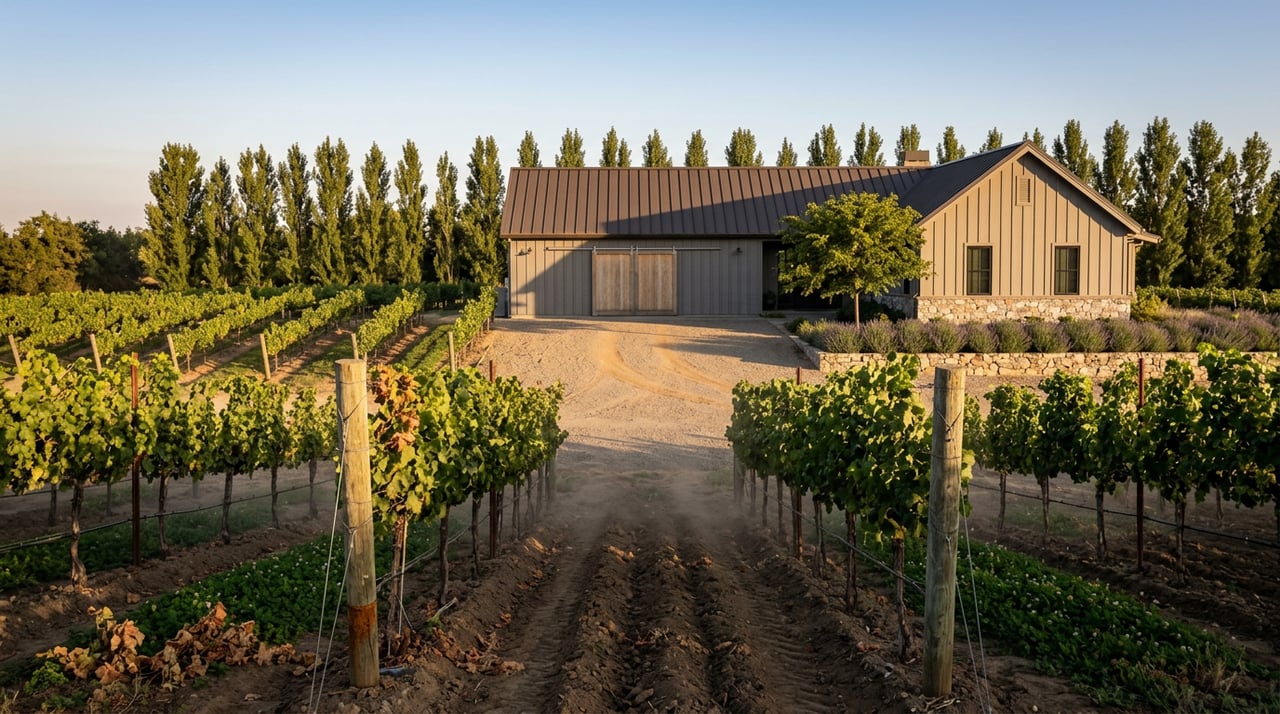
This is a place where setting matters. The Town of Palisade highlights peaches, vineyards, and vistas as part of the area’s identity, and buyers often respond strongly to that lifestyle appeal. A property with meaningful views, orchard adjacency, or inviting outdoor space may compete differently than a similar home without those features.
That does not mean every scenic or rural feature deserves a huge premium. It means your pricing should reflect how buyers in this market actually shop, not just what a spreadsheet says.
Acreage and irrigation can change value
For small acreage and agriculture-adjacent property, land details can matter as much as the house itself. In Palisade and East Orchard Mesa, irrigation, water access, and how the land is used often shape value in a big way.
Colorado property rules and Mesa County valuation practices make this clear. Agricultural classification and valuation can depend on factors like qualifying water rights or permits used for production, and Mesa County values agricultural land based on landlord net income capitalization.
OMID also states that its water rights are allocated to the land and cannot be sold separately. That means water and irrigation are not side notes. They are part of the property story and should be evaluated carefully when setting a list price.
Land features buyers notice
If your property includes land, buyers may look beyond the home itself and ask practical questions about:
- Irrigation district access
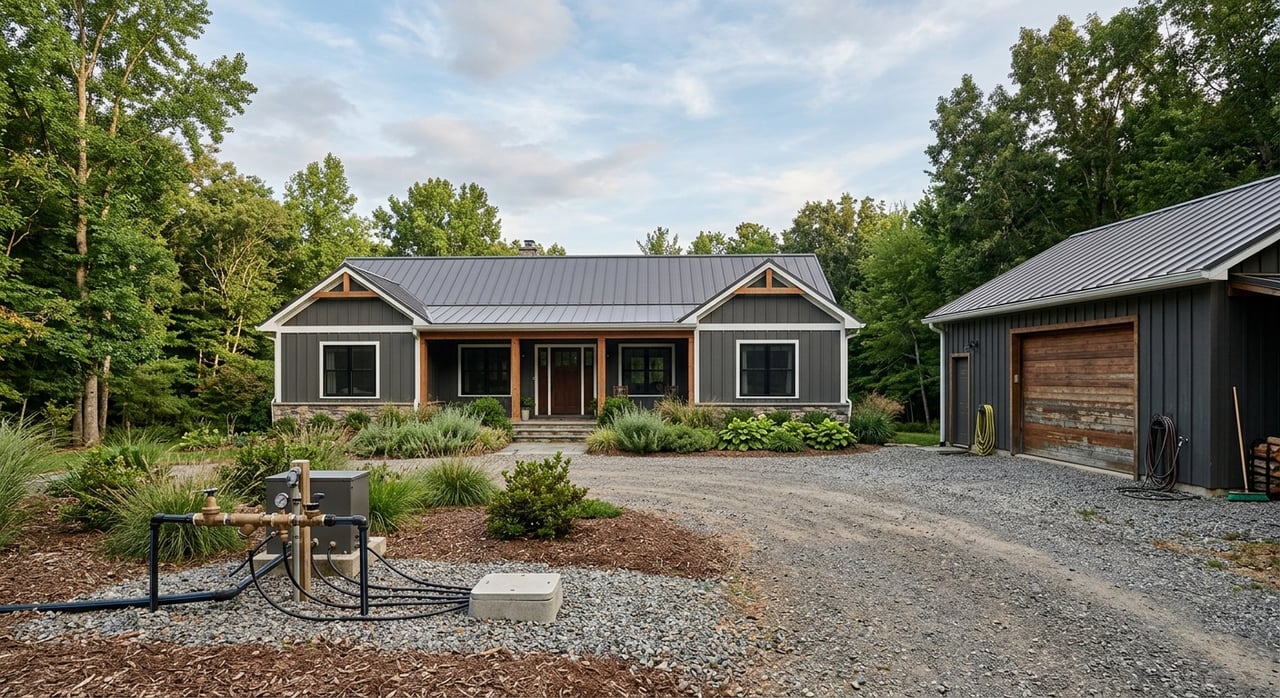
- Water delivery and infrastructure
- Agricultural classification
- Fencing and cross-fencing
- Barns, shops, or utility buildings
- The layout and usability of the acreage
- Long-term land-use limitations
These details can support value, but only when they are documented and presented accurately.
Improvements count in the pricing story
Colorado’s property-classification rules define improvements broadly to include structures, buildings, fences, and water rights. In plain terms, that means features like shops, barns, fencing, and irrigation infrastructure should be part of the pricing discussion.
Too often, sellers treat these items like nice extras. In reality, they may be central to how a buyer sees function, replacement cost, and long-term utility.
That said, not every outbuilding adds equal value. A clean, useful shop or well-maintained barn may support a stronger price than an aging structure that needs work. The goal is to price based on market response, not emotional attachment.
Verify zoning before pricing for potential
It is tempting to price your home based on what a future buyer might do with the property. That can backfire if zoning, parcel boundaries, or allowed uses are not fully verified.
The Town of Palisade’s GIS tools can help show zoning, buildings, and town limits, but the town also notes that the map is not a substitute for a survey or official record. So if part of your pricing logic depends on development potential, hobby-farm use, or a certain land use, those assumptions should be checked first.
Pricing for unverified potential often leads to a listing that feels ambitious to buyers. That can slow early momentum, which matters in a market where overpricing tends to lead to longer marketing times and later reductions.
Know whether your home earns a Palisade premium
Palisade tends to command a premium over Mesa County overall. In March 2026, Zillow put typical home values in Palisade at $559,776 compared with $430,881 countywide, and county list prices and sale prices also tracked lower.
But not every property automatically earns a full town premium. Some homes are clearly priced as true Palisade lifestyle properties, while others compete more directly with broader Mesa County options.
This is one of the most important pricing questions you can ask: Will buyers see your home as a premium Palisade offering, or as a property that must compete on value with the wider county market? The right answer depends on location, condition, land features, and overall presentation.
Leave room for negotiation, not for doubt
In a balanced market, some negotiation is normal. Public March 2026 data showed homes in 81526 generally selling below asking, and Redfin reported homes averaging about 3% below list in Palisade.
That does not mean you should underprice your home. It means you should avoid building in too much cushion. If buyers think a home is obviously overpriced, they may wait, skip it, or assume the seller is unrealistic.
A better approach is to price within a credible range based on the CMA and current competition. That gives you room to negotiate without creating doubt from day one.
Timing helps, but pricing still wins
You may have heard that spring is the best time to list. National research supports that idea in general, with Zillow noting stronger outcomes in late May and Realtor.com highlighting mid-April as a historically strong week.
In Palisade, warm-season timing may carry even more weight because local events and tourism bring more people into town during spring and summer. Homes with views, patios, acreage, or lifestyle appeal may benefit from that added visibility.
Still, timing should support your pricing strategy, not replace it. In a market where homes are not flying off the shelf overnight, an aggressive price can hurt more than a perfect calendar window can help.
Signs your price may be off
Once your home hits the market, the first few weeks matter. In a small-volume market like Palisade, the early response often tells you more than any single headline number.
Watch for signs such as:
- Low showing activity
- Strong online views but few in-person tours
- No serious offers after early traffic
- Repeated buyer comments about price
- Competing listings moving while yours stalls
If those signs show up quickly, the market may be telling you your price does not match today’s evidence. Waiting too long to adjust can cost you momentum.
A practical pricing approach for Palisade sellers
If you want a simple framework, start here. A smart list price in Palisade usually follows this order:
- Review recent sold comps that are truly similar.
- Compare your home to current active listings and recent expired or withdrawn listings.
- Adjust for acreage, irrigation, water-related features, and outbuildings.
- Verify zoning, parcel details, and any use assumptions before pricing for potential.
- Decide whether your home earns a Palisade premium or competes with the broader Mesa County market.
- Set a price that leaves modest room for negotiation without signaling overreach.
- Monitor early buyer response and adjust quickly if needed.
This kind of pricing is not flashy, but it works. It is grounded in the local market and built around how buyers actually make decisions.
If you are thinking about selling in Palisade, the right price starts with the right questions. A local strategy can help you separate hype from real value, especially when acreage, irrigation, zoning, or agricultural features are part of the picture. When you want clear, practical guidance, connect with Laura Black to talk through your pricing strategy.
FAQs
What affects home pricing in Palisade, Colorado?
- In Palisade, pricing often depends on recent comparable sales, location, condition, acreage, irrigation details, views, outbuildings, and whether the property competes as a premium local offering or a broader Mesa County option.
How long are homes taking to sell in Palisade right now?
- Public spring 2026 market snapshots suggest homes in the Palisade area are generally taking about 34 to 61 days on market, depending on the data source and property type.
Should a Palisade seller price above market to leave room to negotiate?
- A little negotiation room is normal, but overpricing can lead to fewer showings, a longer time on market, and eventual price reductions.
Do irrigation and water features affect Palisade home value?
- Yes. For many Palisade and East Orchard Mesa properties, irrigation access, water-related infrastructure, and land utility can materially affect value and buyer demand.
Does acreage add value to every home in Palisade?
- Not always. Acreage can add value when it is usable, supported by the right features, and matched to buyer demand, but it should be compared carefully against similar land-based properties.
Is spring the best time to list a home in Palisade?
- Spring and early summer may help because buyer activity and local visibility often increase, but accurate pricing still matters more than timing alone.