A Redlands view can be hard to resist. When you are standing on a patio looking toward the Monument or out across the Grand Valley, it is easy to focus on the wow factor and miss the practical details that shape day-to-day living. If you are shopping for a view home in Redlands, it helps to look beyond the scenery so you can judge usability, maintenance, privacy, and long-term value with more confidence. Let’s dive in.
Why Redlands view homes stand apart
Redlands is not a market where a “view” means only a nice backdrop out one window. This area sits next to Colorado National Monument, which preserves 32 square miles of dramatic landscape and rises more than 2,000 feet above the Grand Valley. That terrain is a big reason view homes here feel so distinct.
Local planning also reflects how important the landscape is. The Redlands Area Plan treats Monument Road and Highway 340 as visually important corridors and calls for preserving open vistas, skyline views, and ridgeline character. For you as a buyer, that means the setting itself is part of the value story.
Focus on view corridors
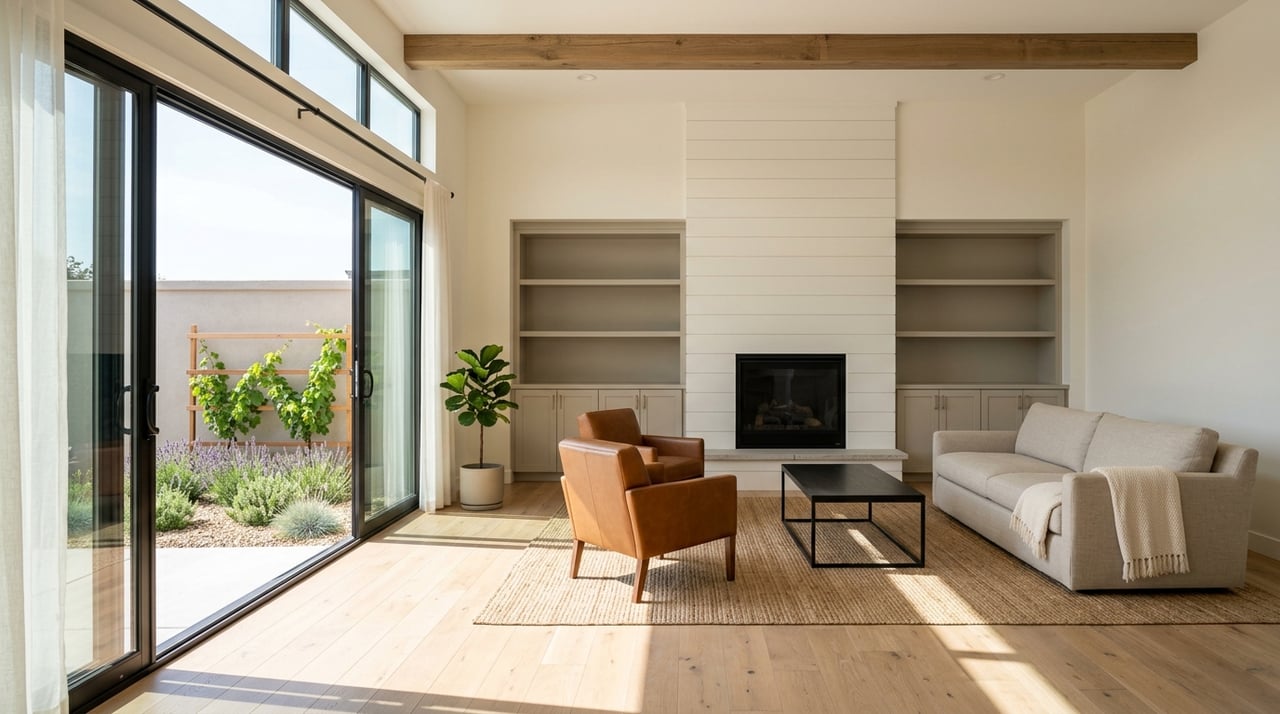
When you tour a home, try to think in terms of view corridors, not just whether the property has a pretty sightline today. In Redlands, value often depends on elevation, lot angle, and where the best view is actually experienced. A wide Monument or valley panorama from the main living area usually feels very different from a view that only shows up from one upstairs bedroom.
You will want to notice exactly where the home connects to the scenery. Ask yourself whether the best outlook comes from the kitchen, great room, primary bedroom, patio, or deck. The answer matters because it shapes how often you will actually enjoy what you are paying for.
Check sun and shade carefully
Grand Junction has a semi-arid climate with about 9.42 inches of average annual precipitation, abundant sunshine, and hot, dry summers. That sounds great until a west-facing deck becomes too hot to enjoy on a July afternoon. A view home should work for your lifestyle in real conditions, not just during a 20-minute showing.
Orientation plays a big role here. South-facing windows can capture winter sun while limiting direct summer sun when properly shaded, while east- and west-facing windows are more likely to bring glare and summer heat gain. If a home has large windows or expansive outdoor space, pay attention to how the sun hits those areas.
What to notice during a showing
- Where the morning sun lands in the kitchen and main living spaces
- How much late-day heat reaches the great room, patio, or deck
- Whether the home has covered outdoor areas, overhangs, or other shading
- Whether the best-view rooms feel bright and comfortable or overly exposed
In a sunny high-desert setting, a view is most valuable when you can use it comfortably through more of the year.
Pay attention to wind and outdoor comfort
Wind is another factor buyers sometimes underestimate. The area commonly sees east-southeast winds from valley breeze patterns, and stronger winds often come from the south or southwest during thunderstorms or pre-frontal weather. On an exposed lot, that can change how a patio, upper deck, or outdoor dining area feels.
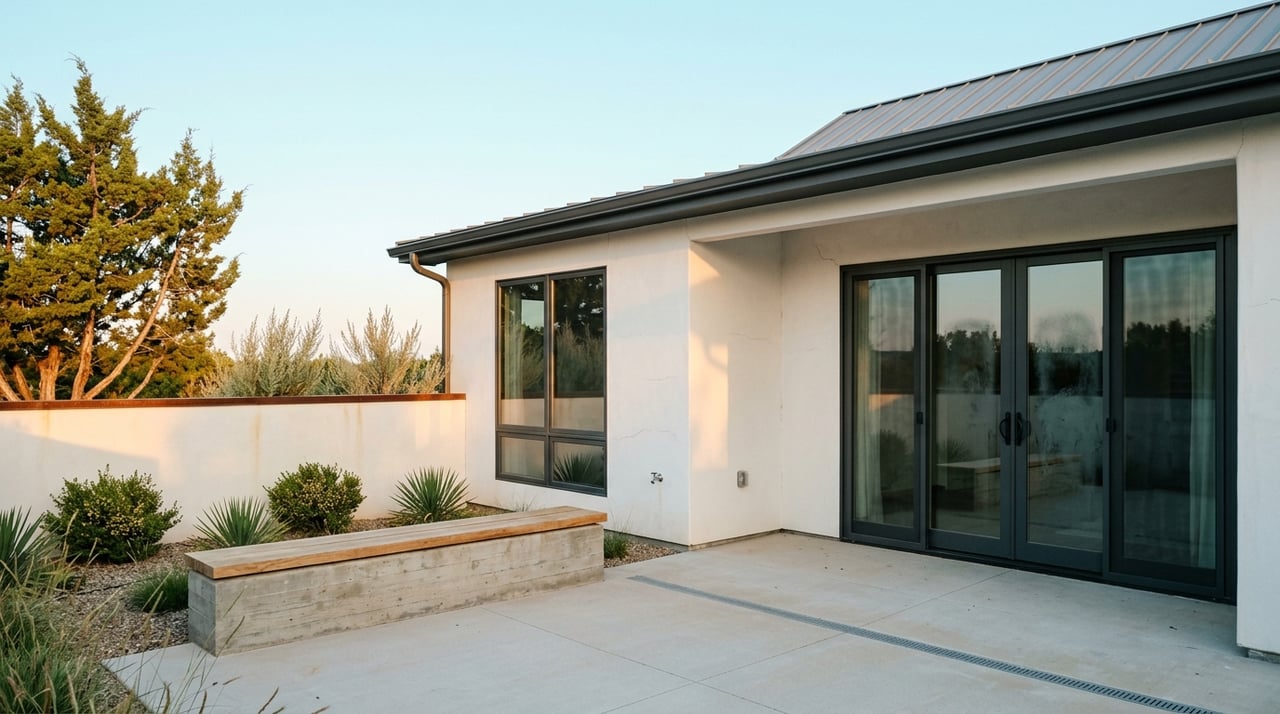
If outdoor living is high on your list, pause outside during the showing and notice more than the scenery. Is the seating area protected at all? Does the layout make it easy to enjoy the view without being fully exposed to sun and wind? These small details can make a big difference once you move in.
Understand the slope and site conditions
Many Redlands view homes sit on terrain that creates both appeal and extra responsibility. Grand Junction’s hillside and ridgeline rules are designed to reduce slope instability, rock falls, stormwater runoff, erosion, and skyline impacts. Development on slopes over 30% is generally not permitted unless engineering and visual mitigation are approved, and mapped ridgelines may require a 200-foot setback or other skyline mitigation.
That matters because the lot itself may affect future plans, upkeep, and how the property functions. A dramatic site can be beautiful, but it can also come with more complexity than a flatter in-town lot.
Questions to ask about the site
- How does drainage move across the property?
- Are there retaining walls that need regular attention?
- Does snowmelt create runoff issues?
- Is slope landscaping easy to maintain?
- Is any part of the lot likely to need ongoing rockwork or erosion control?
These are practical questions, not negative ones. They help you understand the full cost and effort of owning a hillside home.
Consider rock fall and terrain realities
USGS mapping for the Colorado National Monument area notes the abrupt plateau drop toward the Redlands and Colorado River, along with rock-fall and landslide deposits in the area. That does not mean every property has the same level of concern, but it does mean terrain should be part of your evaluation.
If a home backs to steeper ground or sits below rock features, take a close look at the site layout and ask thoughtful questions. In Redlands, the land itself is part of the due diligence.
Factor in wildfire and exterior upkeep
A great panorama can come with more exterior maintenance. Grand Junction’s natural-resources code requires defensible space for new homes on or adjacent to woods, brush, or grasslands. That includes vegetation thinning and keeping leaves and needles off roofs.
For you, that means a view property may require more regular outdoor work than a home on a flatter interior lot. If the setting includes brush, open land, or a more natural hillside edge, be realistic about the time and upkeep involved.
Think about privacy with the view
In Redlands, buyers are often balancing scenery with seclusion. The area’s access to public lands and trailheads, including trails into Colorado National Monument and the Tabeguache Trail, helps explain why privacy and outdoor space can matter so much. A home may have an incredible outlook, but the experience can feel very different depending on nearby roads, neighboring lots, and outdoor activity around the property.
During a showing, step away from the windows and study the lot lines, deck placement, and outdoor living areas. You want to know whether the home feels open in a good way or exposed in a way that may wear on you over time.
Do not overlook night use and lighting
A view home is not only about the daytime scene. Grand Junction’s outdoor-lighting code is designed to reduce glare, light trespass, and light pollution while protecting the ability to view the night sky. Fixtures must be shielded and aimed within property boundaries, with limits on color temperature and light spill.
That is worth noting if evening outdoor living matters to you. A home with well-planned exterior lighting can feel more usable, more comfortable, and more in tune with the setting after sunset.
Weigh the premium against function
It is easy to stretch the budget for the most dramatic view on the market. Sometimes that is the right call. Sometimes a slightly less dramatic view ends up being the better long-term purchase because the home offers easier maintenance, better shade, more privacy, or a more practical floor plan.
As you compare options, keep the basics in view. A premium lot still needs to support everyday living, from driveway access and garage function to storage and circulation space inside the home. The best purchase is not always the one with the boldest photo. It is the one that fits how you actually live.
A smart Redlands showing checklist
If you are touring view homes in Redlands, bring these questions with you:
- Which rooms capture the best view every day?
- Do the patio, deck, or yard make the view usable?
- Is the view tied to topography, or could future construction affect it?
- How much direct sun hits the main living areas and outdoor spaces?
- How exposed is the property to wind?
- What site maintenance comes with the slope or landscaping?
- Are there subdivision rules for decks, fences, screening, or exterior lighting?
- Does the home function well enough to justify the view premium?
This kind of checklist helps you stay grounded when a stunning backdrop creates strong first impressions.
If you are comparing Redlands view homes, a calm, practical approach usually leads to a better decision. The goal is not just to buy a beautiful setting. It is to buy a home where the setting works with your budget, your routine, and the kind of ownership experience you want. If you want local, straightforward guidance as you sort through the tradeoffs, Laura Black can help you evaluate what matters beyond the view.
FAQs
What makes a Redlands view home different from other view properties?
- In Redlands, the view is often tied to Monument, canyon, ridgeline, or broad valley scenery, so value depends on elevation, lot angle, and where the best sightlines are experienced inside and outside the home.
What should you check about sun exposure in a Redlands view home?
- You should look at how morning and afternoon sun affect the kitchen, main living spaces, and patio or deck, especially because Grand Junction has abundant sunshine and west-facing outdoor areas can feel much hotter in summer.
What site issues matter for Redlands hillside homes?
- Drainage, retaining walls, snowmelt runoff, slope landscaping, erosion, and any ongoing rockwork or slope maintenance are all important to review when a home sits on more dramatic terrain.
What wildfire-related upkeep should you expect with a Redlands view property?
- If the property is on or next to woods, brush, or grasslands, you may need more exterior upkeep such as vegetation thinning and keeping leaves and needles off the roof to support defensible space.
What questions help you decide if a Redlands view home is worth the premium?
- Ask which rooms and outdoor areas actually capture the view, whether future construction could affect it, how sun and wind impact comfort, and whether the home’s layout, storage, driveway, and garage function justify the higher price.